Step 01
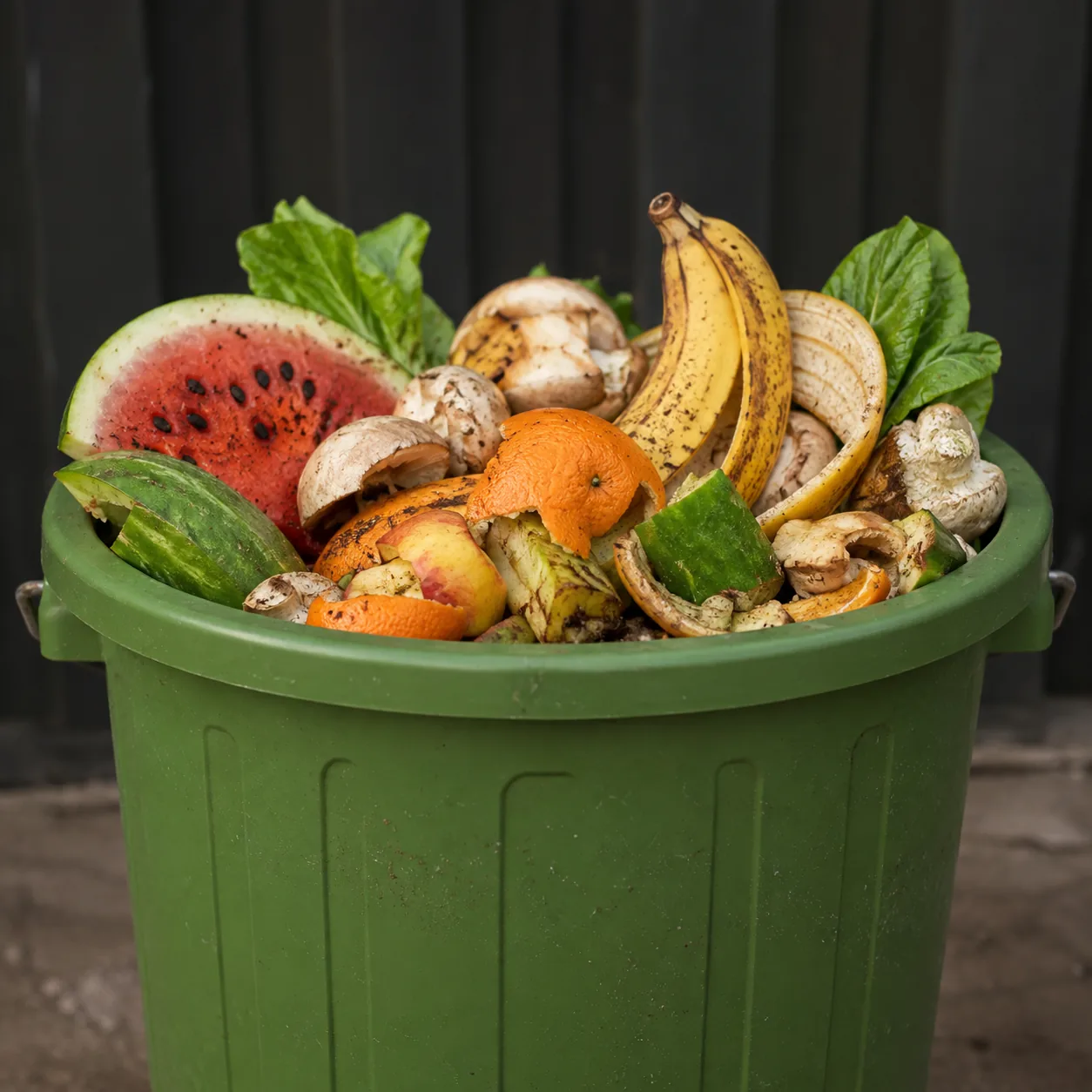
Food waste
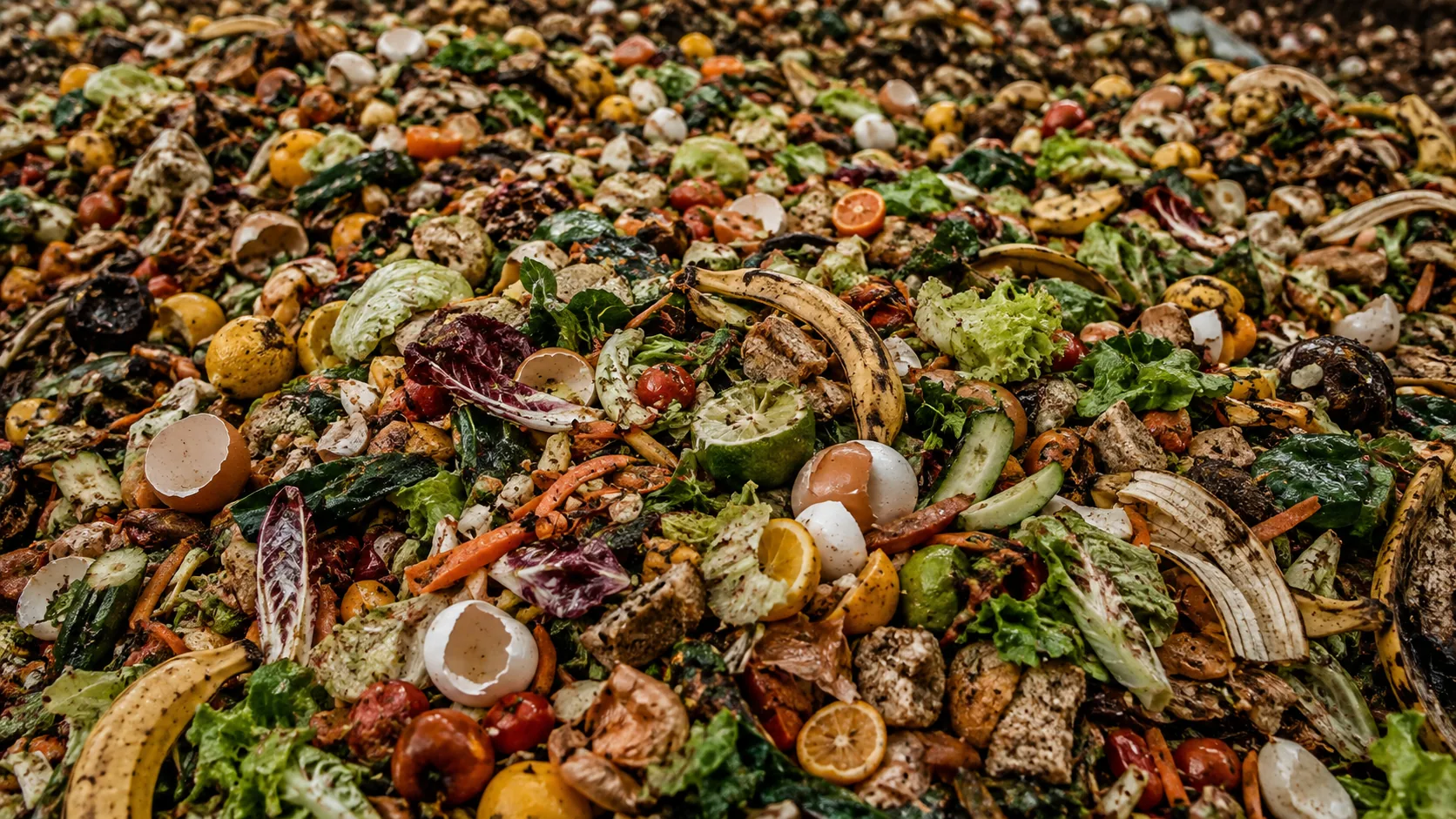
Peel, pulp and spoiled stock leave markets, farms and kitchens mixed in with everything else, so nothing is separated at source.
Transforming food waste into economic value through regenerative agriculture and circular resource management.
Every year, valuable organic resources are sent to landfills where they generate methane emissions instead of economic value.
Peel, pulp and spoiled stock leave markets, farms and kitchens mixed in with everything else, so nothing is separated at source.
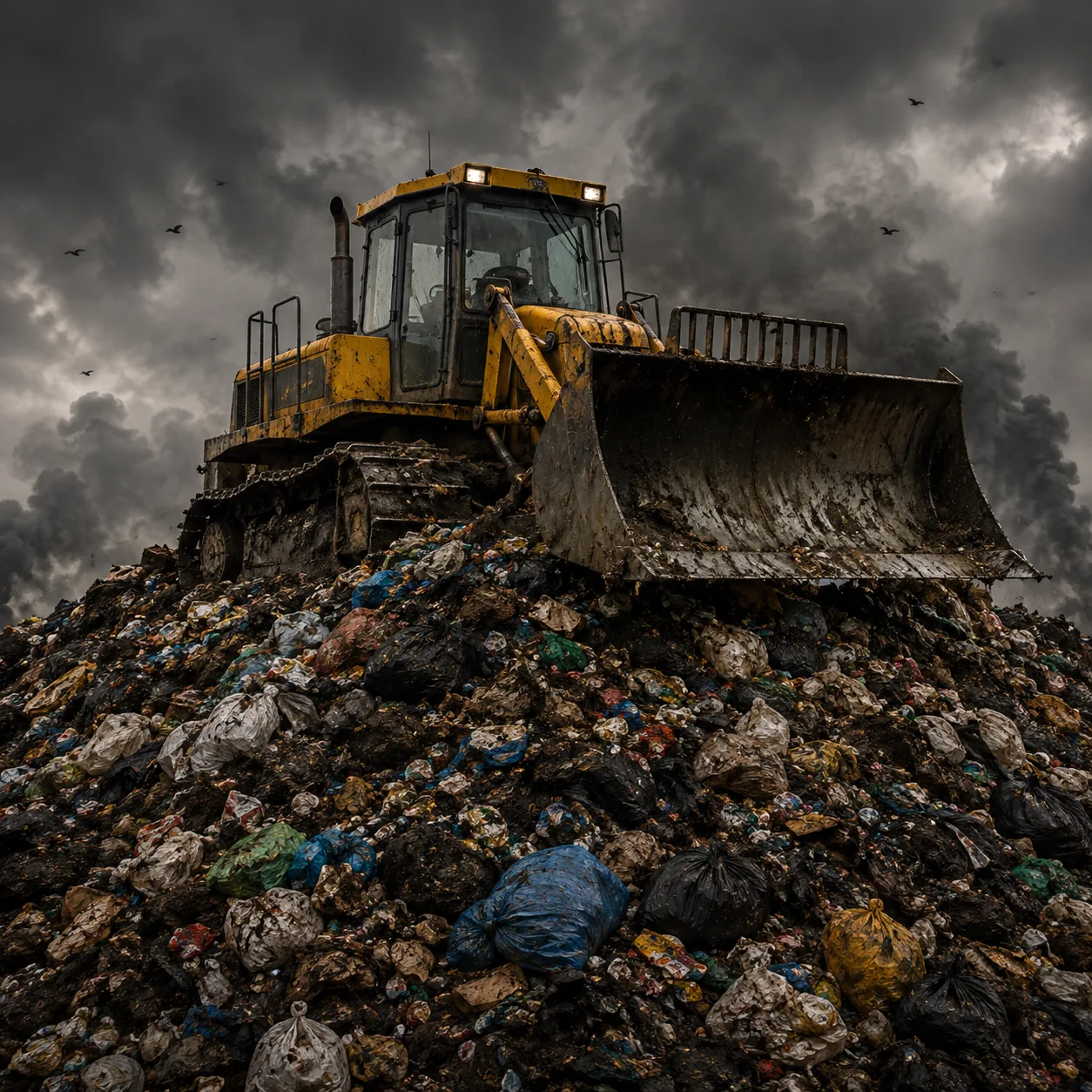
The mixed load is trucked out and buried, compacted under later deliveries and sealed away from the air.
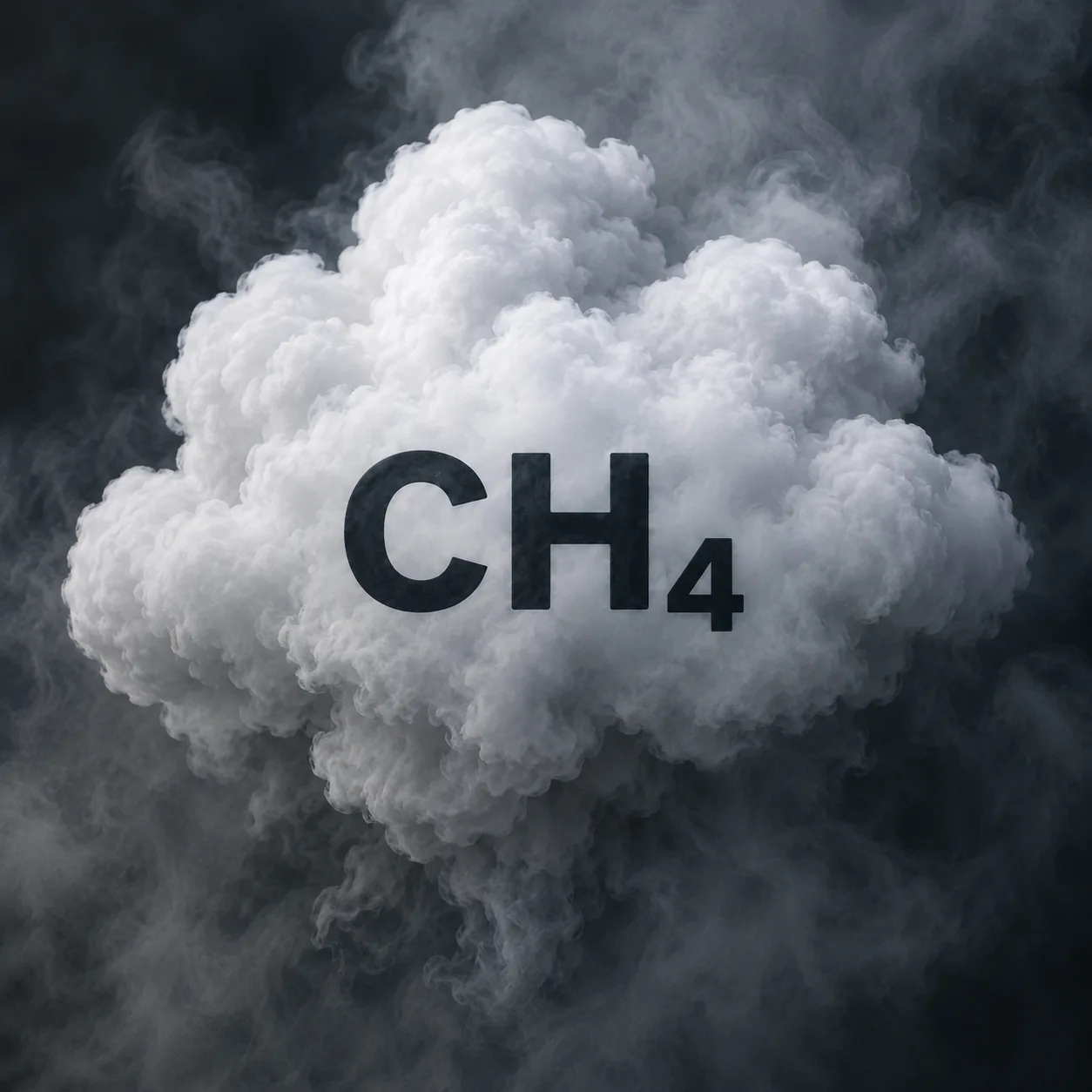
Starved of oxygen, the organic fraction breaks down anaerobically and vents methane for years afterwards.
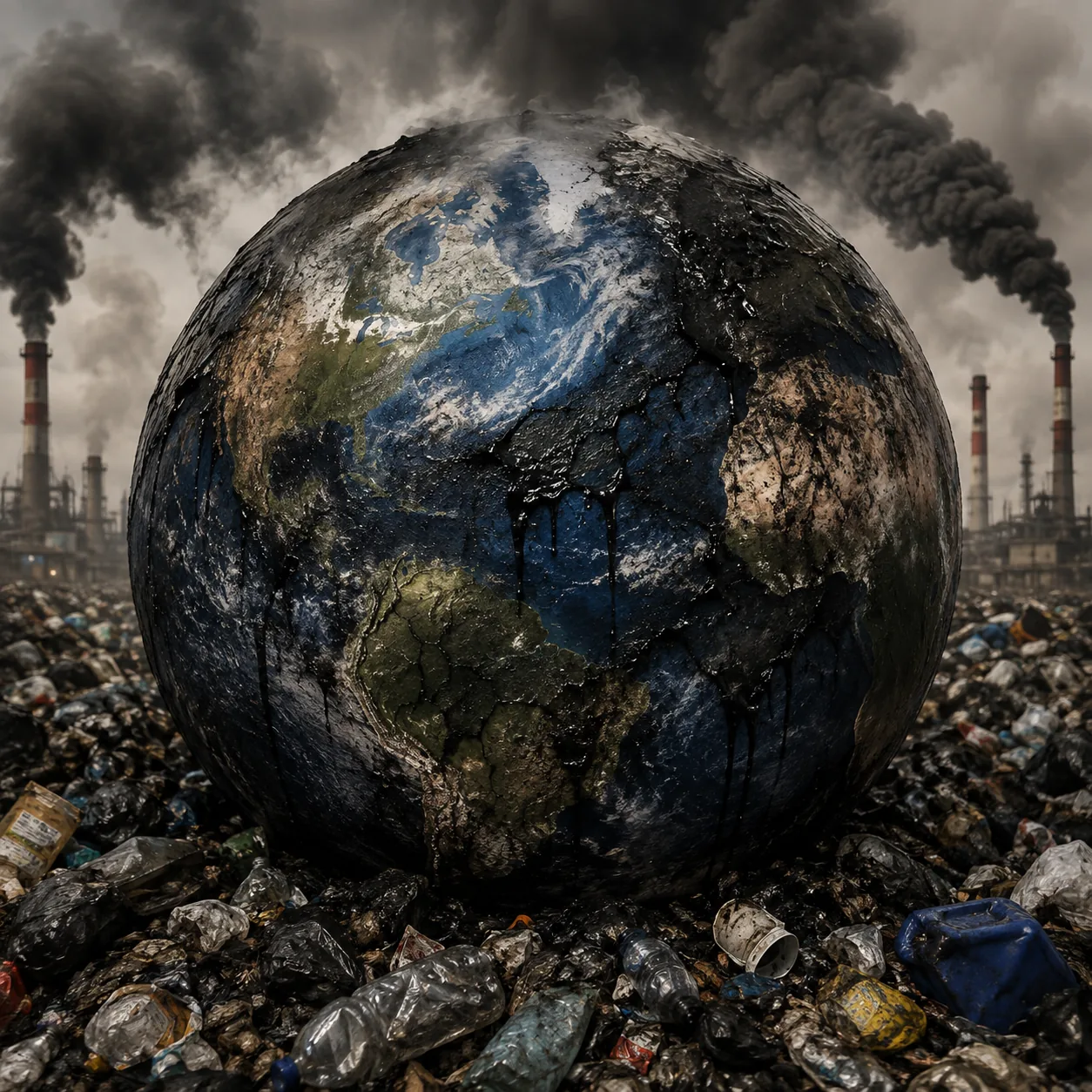
What remains is emissions, leachate and lost nutrients — soil value buried instead of returned to the land.
From Waste to Value
Food waste is any edible or inedible food substance discarded, lost, or left uneaten at the retail, food service, or consumer household levels.
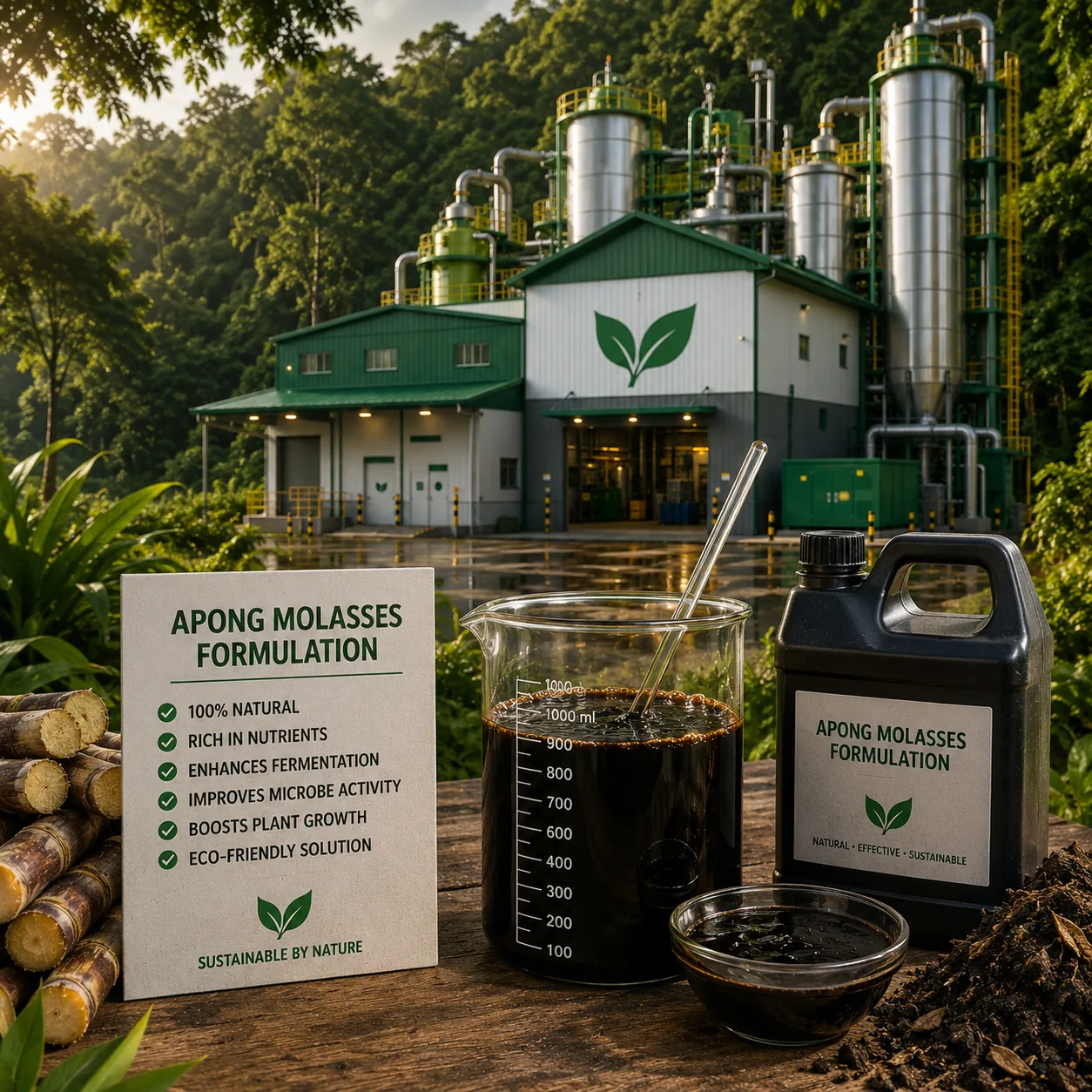
High-quality, nutrient-rich fertilizer for regenerative agriculture.
End-to-end solutions for collection, treatment, and responsible disposal.
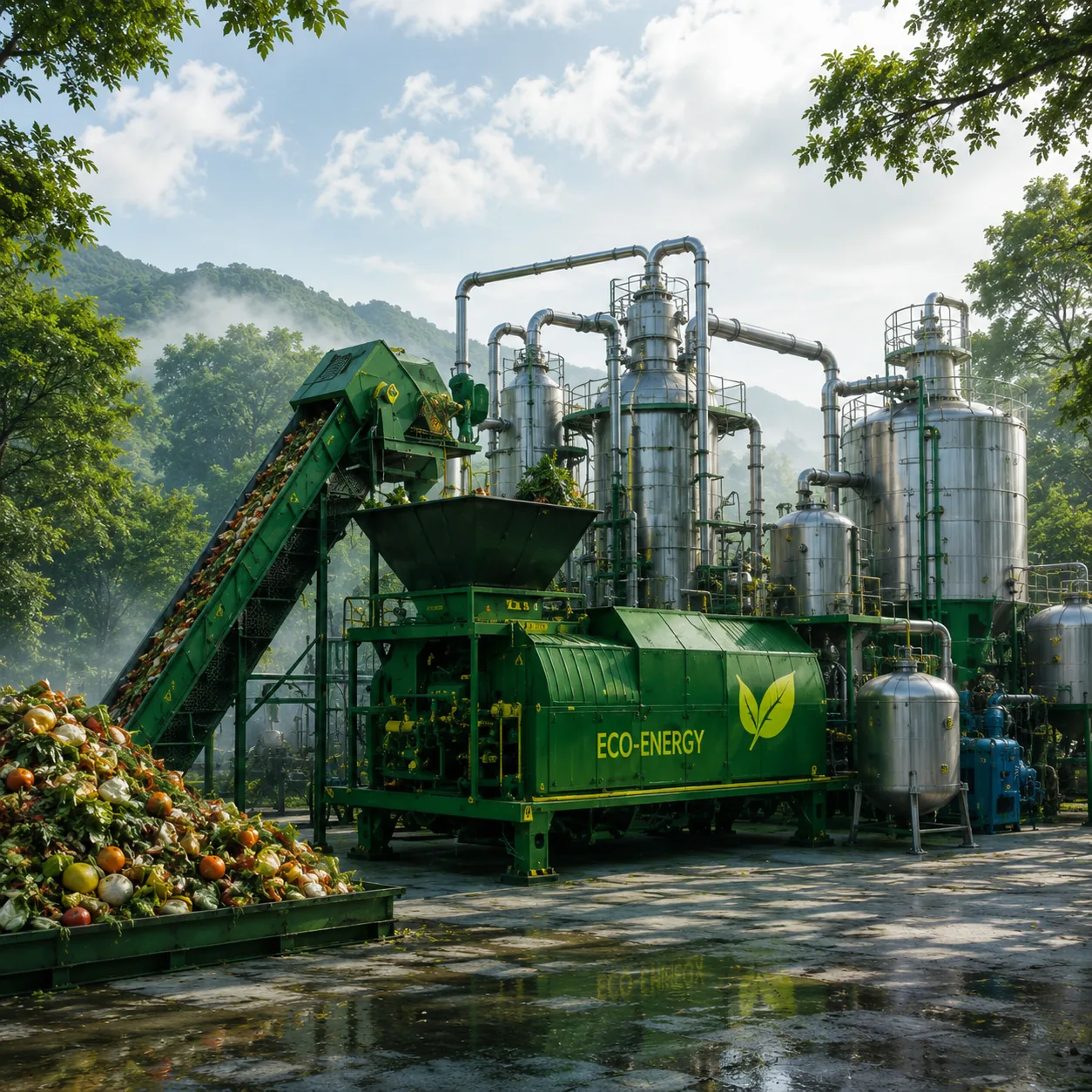
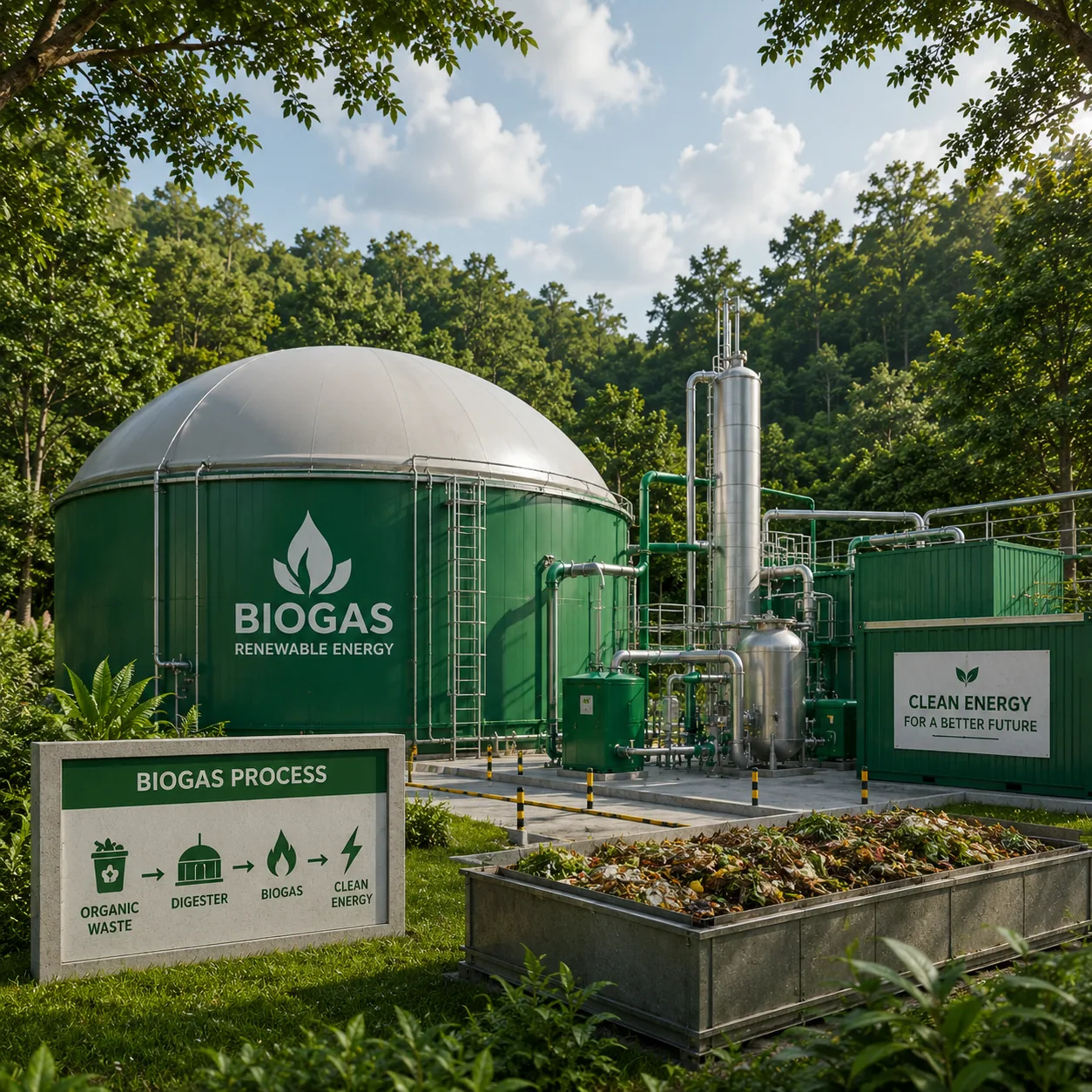
Renewable energy generated from organic waste.
Measurable emissions reduction creating climate impact value.
Data-driven insights for waste, operations, and sustainability reporting.
Faster Processing. Higher Throughput.